
Board of Longitude
The Board of Longitude comprises international experts from across the scientific, clinical and industrial world.
What is the Board of Longitude?
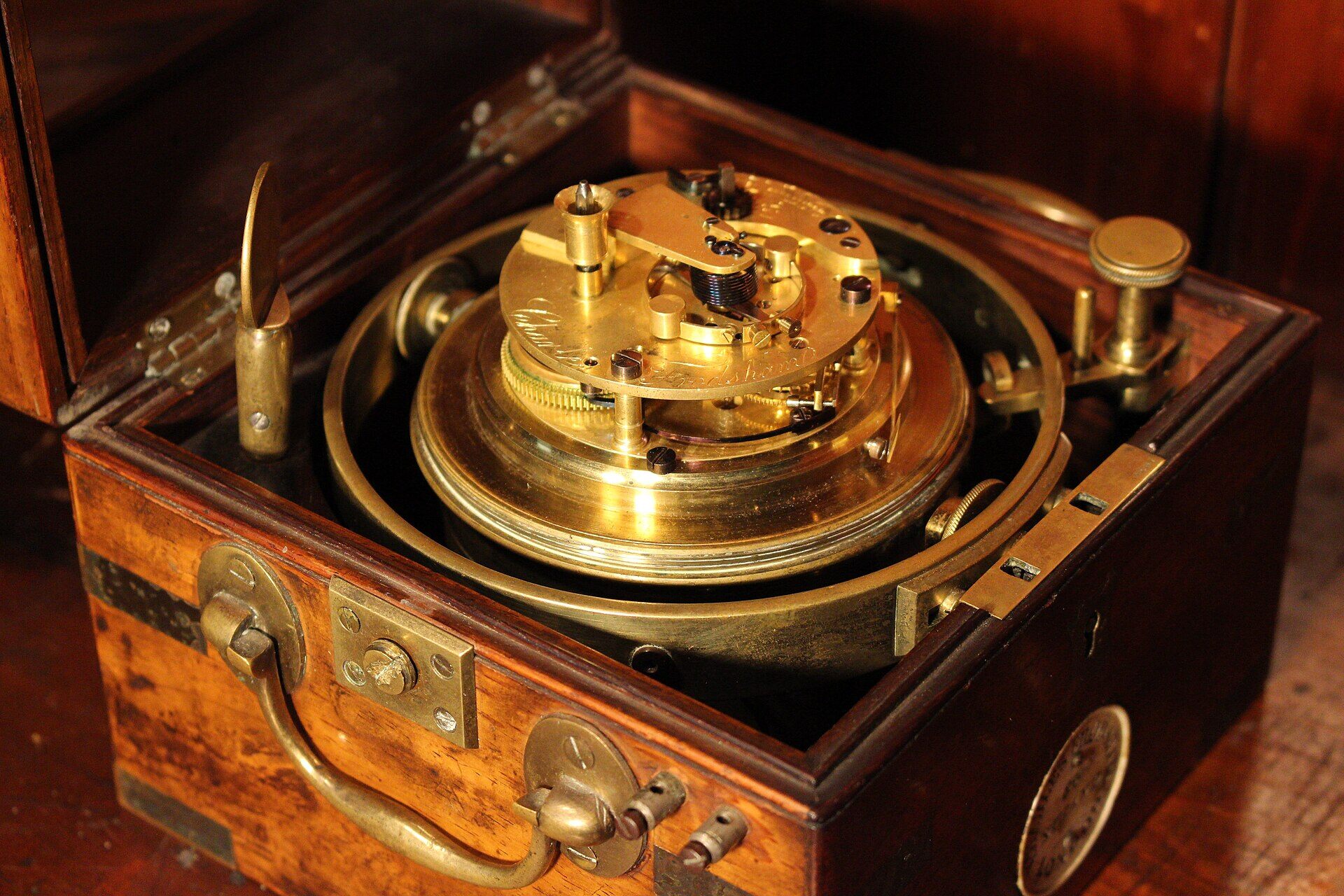
The original Board of Longitude was a British government body created in 1714 to evaluate and reward inventions that solved the problem of calculating a ship’s longitude at sea.
Our modern-day board helps design and oversee the 21th century Longitude Prizes, acts as members of our prize judging panels, and collaborates with our team and external experts to identify pressing future global problems that require large-scale innovation.
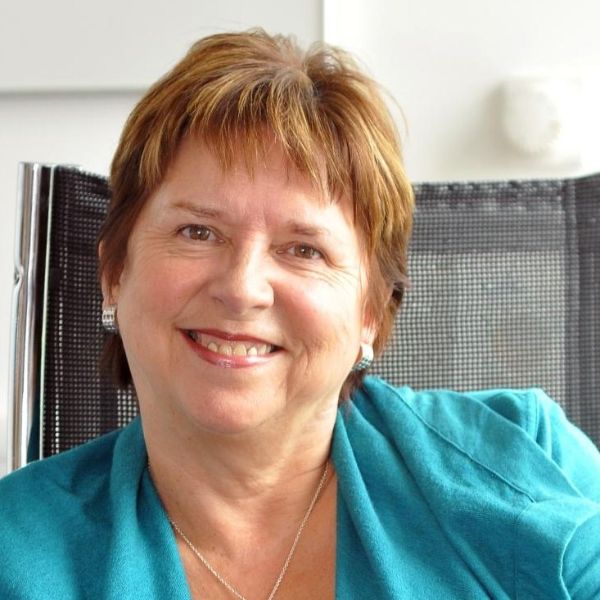
Chair of the Board, Dame Wendy Hall
Professor Dame Wendy Hall serves as the Chair of the Board of Longitude overseeing our Longitude Prizes, succeeding Lord Martin Rees. Regius Professor of Computer Science and Executive Director of the Web Science Institute at the University of Southampton, Wendy also co-chaired the UK government’s AI Review in 2017 and was appointed to the United Nations high-level advisory body on artificial intelligence in 2023.
The Board of Longitude members

Andrew Cohen
Head of The Science Unit BBC Studios and Executive Producer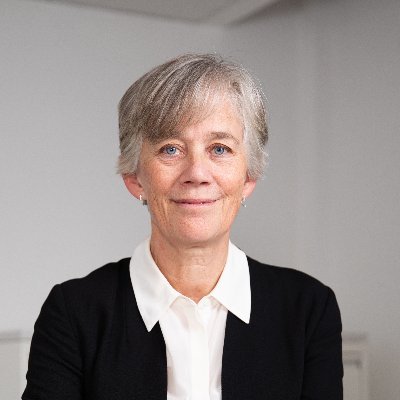
Dame Angela McLean
Government Chief Scientific Adviser
Professor David Delpy
Chair, Strategic Advisory Board, UK National Quantum Technologies Programme and Emeritus Professor of Biomedical Optic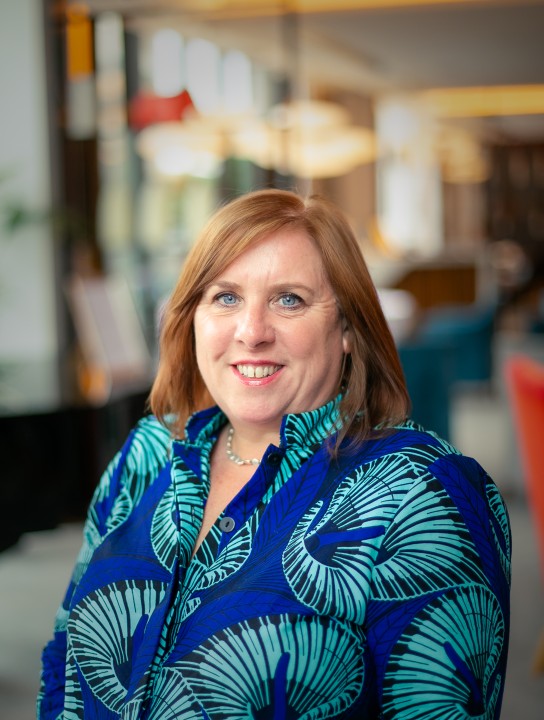
Fiona Carragher
Chief Executive at Kidney Research UK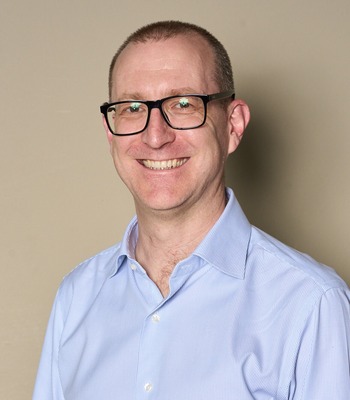
Dr Mike Rogers
Director of Research & Innovation at MND Association
Professor Lord Martin Rees
British cosmologist and astrophysicistWhat is the Longitude Prize?
The original Longitude Prize, established in 1714, offered a £20,000 reward for a reliable method to determine a ship’s longitude at sea – arguably the world’s first challenge prize.
Today, that legacy lives on. Reimagined by Challenge Works, the modern Longitude Prize is a series of multi-million-pound challenge prizes designed to solve some of the 21st century’s most pressing global issues. By crowdsourcing innovation, we incentivize breakthrough technologies in areas where they are needed most, including recent prizes tackling Antimicrobial Resistance (AMR), Dementia, and ALS.