
Cities taking on the climate-change challenge
Author: Steven Bland, Climate change and innovation specialist, UN Habitat
In the last 10 years, there has been a consistent but worrying message emanating from those of us tackling the issue of climate change in cities: “Cities are leading the way in addressing the climate change challenge” But… “We are far away from achieving our collective targets to reduce emissions and adapt to inevitable climatic changes.”
Actions speak louder than words
On the one hand, thousands of local governments have signed up to take action through, for example, the Global Covenant of Mayors for Climate & Energy. Bold commitments have been made, plans and decrees have been passed, pilot projects implemented, communities mobilized, and infrastructure upgraded and replaced.
ICLEI’s Carbonn Cities Climate Registry contains almost two thousand climate targets and over seven thousand actions by local governments to reduce emissions and increase climate resilience.
On the other hand, only a small handful of larger cities have achieved significant absolute reductions in emissions. Specific sectors, such as transport, remain stubbornly difficult to shift towards a lower-carbon trajectory.
During the four years I spent working with local governments in South Africa, one common refrain was repeated by participants in multiple settings: “We’ve got great policy, but what’s lacking is implementation”.
Old habits or complex challenges?
Why does it seem so difficult to turn aspirations of clean, green, socially just cities, into reality? Especially given that many of the solutions we need to implement already exist?
Like many modern, complex problems, climate change is so challenging because it confronts some of the basic design flaws of our economic and social systems:
- While we think and act linearly (take-make-waste), climate change requires us to think and act circularly: designing and making use of materials in ways that they never need to be thrown away, and their value harnessed ad infinitum with few externalities.
- While we think and act in siloes, climate change requires us to think and act systemically: requiring changes in every single part of our social and economic systems, while preventing unintended consequences.
- While we think and act short-term, climate change requires us to plan now to prevent catastrophe tomorrow: moving beyond our quarterly financial statements and five-year election cycles.
This kind of thinking (and acting!) does not come easily to most of us. So we seek more projects, more money, and update our targets and plans, but keep facing the same barriers. Maybe a lack of community/citizen support or uptake, or seeing hard-won improvements in energy efficiency being wiped out by increases in overall energy consumption, or getting stuck implementing pilot projects that never seem to get to scale.
Innovation all the way
One of the ways to inculcate new ways of thinking (and then doing!), is by innovating in how we work towards solutions, rather than only which solutions we try to create.
When we think of innovation we often think of technology, or maybe policy, but rarely process. At UN-Habitat, effective process has always been a key pillar of our urban interventions.
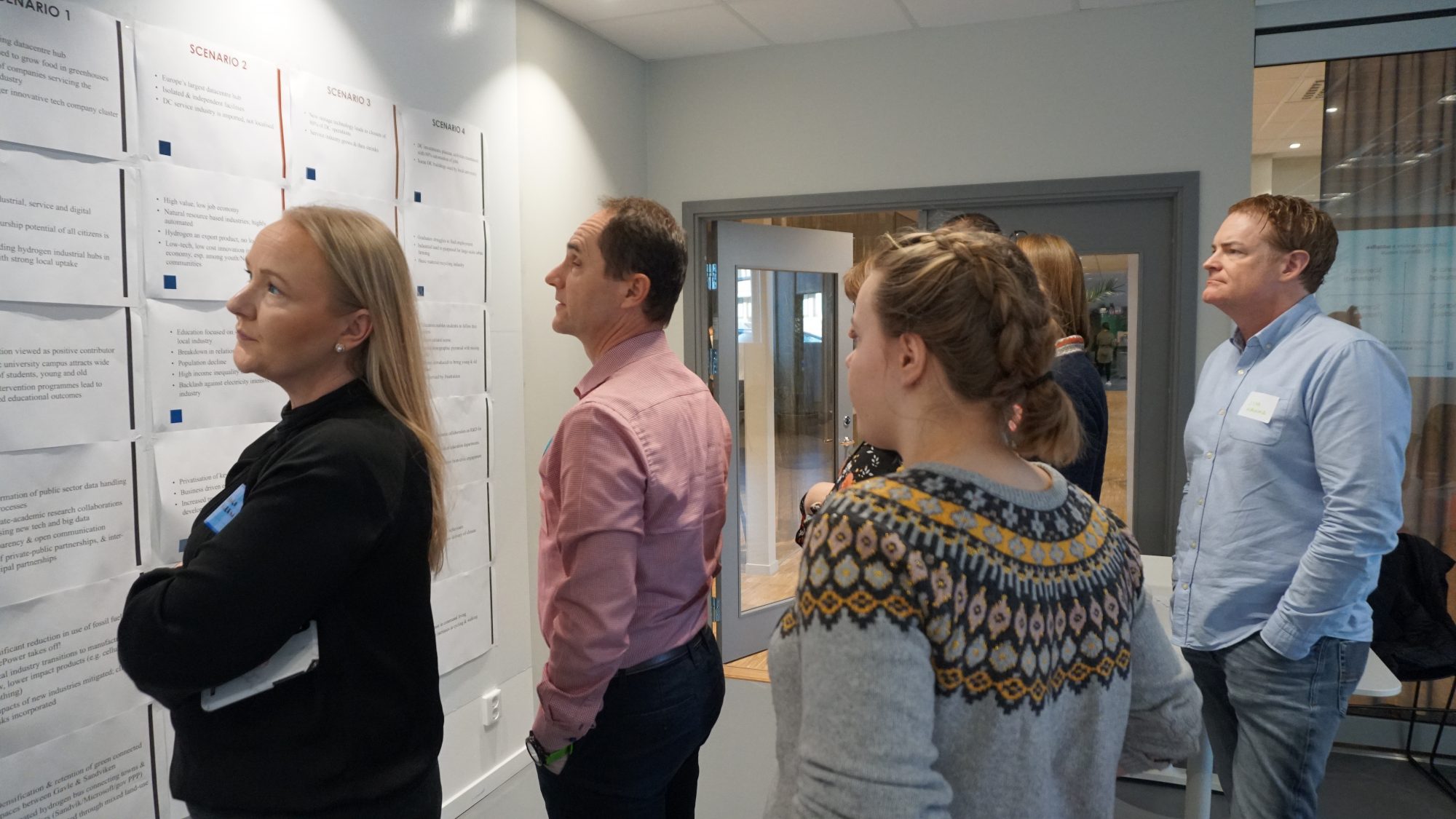
Whether it is participatory urban planning, or the use of forecasting or scenario planning tools, we know that good process increases the chance of successful implementation – regardless of what ends up being implemented.
That's why UN-Habitat is so excited to work on an initiative like the Climate Smart Cities Challenge. The Challenge involves two overarching phases
Climate Smart Cities Challenge Phases
Doing it better is innovation
The innovation here is essentially one of process. The challenge may not result in the creation of brand new or unique technological solutions to challenges in areas like energy, housing, transport, community engagement or urban planning.
But by seeking solutions in a new way, local governments and their partners are prompted at every stage of the process to think creatively and push the boundaries of how they normally seek to deliver services.
By opening the process of defining solutions, rather than predetermining them in a call for proposals, new partnerships and collaborations become available that a local government might otherwise have been oblivious to.
The facilitated challenge definition design process prompts local governments to understand different local (and internal local government) perspectives on the nature of the challenge being explored. By testing solutions in a living-lab style test bed, partners must overcome high aversions to risk, and embrace experimentation and transparency.
The magic soup of success
At the end of the day, the standard list of project ingredients needed to deliver high quality, socially just and low-carbon services for local citizens, with or without a challenge innovation process, does not go away.
Legal frameworks, governance arrangements, stakeholder engagement, policy alignment, funding mechanisms: all are still required to make that magic soup of success.
But what if one of the major reasons our soup is not being made in large enough quantities, and often tastes sour, is because of weaknesses in the way we put together all those ingredients.
By adding a crucial missing ingredient: process innovation, the bold transformations we need in infrastructure and social behaviour to radically and rapidly reduce emissions in cities might be that much more likely to succeed. Steven Bland is a human geographer with 10 years experience working at the interface of sustainability, climate change, energy and urban development. You can find him on Linkedin