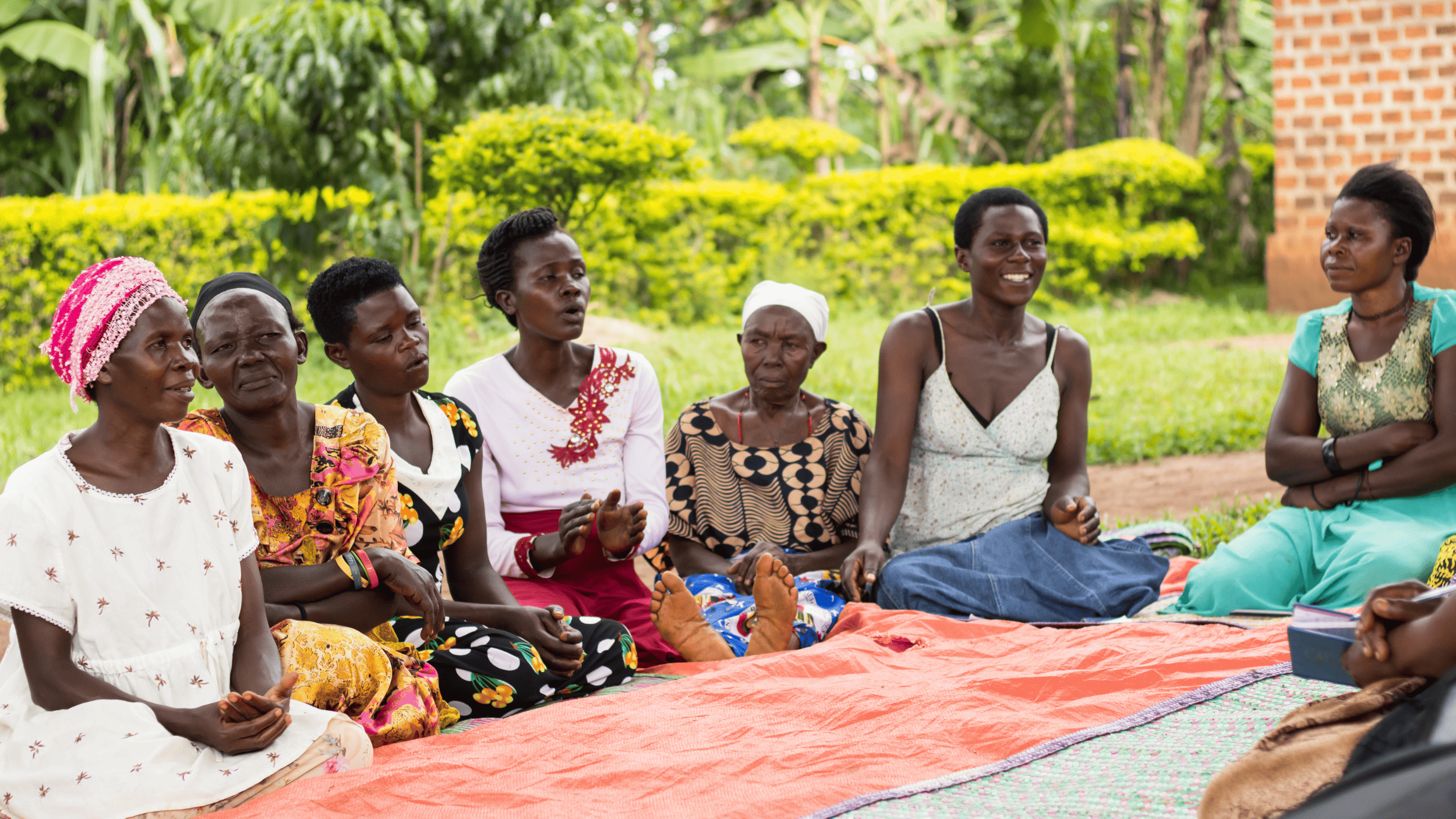
Imagine a mother waking up at dawn in an informal settlement outside Nairobi or a rural village in Colombia. Before her day even begins, she is weighing the immediate stress of putting food on the table against the emotional demands of caring for a toddler – all while navigating spotty mobile signal, costly transport, and a complete absence of childcare or a reliable support network. Her reality isn’t defined by a lack of love or ambition, but by a severe deficit of time, bandwidth, and support.
It is precisely these everyday realities that the Good Start Challenge was built to address. Good Start is a €2.6 million global challenge to advance innovative solutions that improve the wellbeing of parents and caregivers of young children aged 0–6 in disadvantaged circumstances in Indonesia, the Philippines, Kenya, Uganda, Ethiopia, Senegal, Mexico, Colombia and Brazil.
22 finalist teams selected from across these countries have been working to refine solutions for parental wellbeing, and work towards scaling them. During a 6-month development phase the teams each received €50,000, together with intensive capacity-building from Challenge Works (implementation), BIT (behavioural science and evaluation), and Spring Impact (scaling strategy).
In a series of blogs, we will share the key trends, hurdles, and transformational pivots observed across the cohort – highlighting why tailored capacity building is essential for turning promising ideas into scalable global solutions.
In this first piece, we explore a central question: what can we learn from 22 social innovation organizations across nine countries about designing caregiver support that is actually used and built to scale?
The Reality on the Ground – Common Challenges Across the Cohort
Despite working across nine distinct countries, the 22 teams share a common strength: a deep understanding of their target communities. Rather than starting from scratch, the Good Start Challenge built on this local insight – helping the innovators move from broad user knowledge to precise behavioral diagnosis, targeted contextual adaptation, and scalable solution design.
As teams worked to refine their models for vulnerable caregivers, strikingly similar challenges began to emerge across the cohort, regardless of geography.
Parents don’t have enough time to spare: For highly vulnerable, displaced, or low-income caregivers, time and mental energy are in constant deficit. A key hurdle across the cohort was designing support that lightened parents’ cognitive load rather than adding to it. Innovators had to navigate severe weather, costly transport, and the paradox that parents often couldn’t attend the very programs meant to solve their lack of childcare because they had no childcare in the first place.
High-tech isn’t always accessible to all: Many innovators initially envisioned high-tech solutions like custom mobile apps or AI platforms. However, they quickly hit low-tech realities on the ground – spotty connectivity, expensive data, shared family smartphones, and low digital literacy. These barriers made standalone apps nearly impossible for time-poor parents to access consistently.
Systems and bureaucracy can be difficult to navigate: Many teams faced a steep learning curve when shifting from agile, standalone projects to integrating with public systems. Navigating slow-moving bureaucracies – whether securing Ministry of Health approvals or working through delays with international agencies – required ongoing patience, strategic alignment, and significant system-level navigation.
What made the difference? Key trends across the cohort
Supported by targeted capacity building provided by BIT and Spring Impact, teams adapted their models, pivoting away from complex, top-down approaches toward low-friction, community-grounded care. Four key trends define this shift:
Trend 1: Designing for the ‘Parent-First’
Innovators fundamentally shifted their definition of success during the challenge. Moving caregiver mental health from an implicit goal to a core priority, they embedded well-being into outreach, activity design, and peer support networks. By refining their Theories of Change, teams placed caregiver mental health, stress reduction, and emotional solidarity at the center of their work. They operated on a clear belief: to support the child, you must first support the parent.
Trend 2: Low-Friction Tech Meets Human Touch
In a major cohort-wide pivot, informed by Human-Centred Design considerations, teams abandoned custom mobile apps for low-tech, high-reach tools parents already used daily. By leveraging WhatsApp, Telegram, SMS, and offline SD cards, innovators removed friction and boosted long-term engagement. Recognizing that sensitive topics like childcare rely heavily on trust, teams shifted their focus toward meaningful human connection. Rather than relying solely on tech, they invested in relationship-based approaches – accepting higher resource demands to build genuine trust between staff and caregivers.
Trend 3: Integrating Care with Livelihoods
Realizing that mental health cannot be separated from economic reality, teams paired psychosocial support and childcare with tangible income-generating opportunities, for example, climate-smart micro-farming. Addressing the root cause of household stress – financial hardship – directly amplified the impact on overall parental wellbeing.
Trend 4: Adapting Language and Culturally Resonant Delivery
Guided by hands-on training, innovators gathered deep user insights through field interviews, direct observations, and continuous testing with parents. By stripping away clinical, Westernized jargon, teams adopted culturally resonant framing tailored to local realities. This user-led approach transformed project delivery end-to-end, refining everything from messaging, branding, and core program components to monitoring and evaluation tools.
The Power of Adaptive Innovation
Designing for impact means meeting parents exactly where they are – emotionally, culturally, and logistically. The trends noted above illustrate real-time insights that were and continue to be applied to local solutions. By swapping complex tech for low-friction tools, putting caregiver mental health at the heart of solution development, and grounding the implementation of solutions in established and trusted community structures, these 22 teams have proven that true innovation lies in adaptability.
As the challenge comes to a close, they carry forward models that are not only validated and system-ready, but deeply resonant with the daily realities of the families they serve.
What’s Next?
The 6 winners of the Good Start Challenge were announced on 3 September 2026. The challenge is now transitioning into a year of evaluation and learning. Stay tuned for emerging insights that will be shared over the coming months!