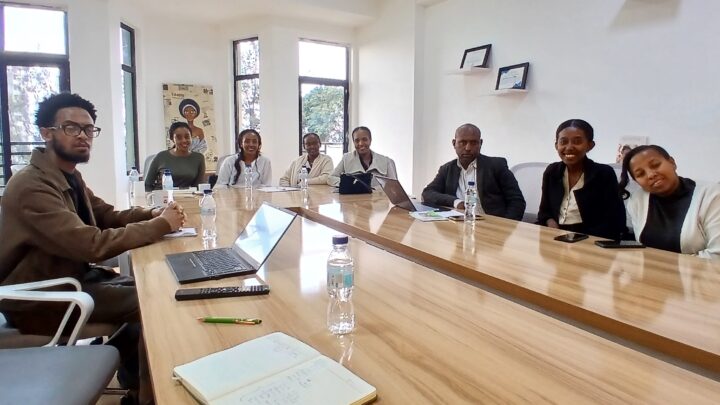
When we set out to expand awareness of the Good Start Challenge in Ethiopia, we knew we would be stepping into a country with deep traditions, strong community ties, and an evolving ecosystem of innovation and social change. What we found during our recent series of workshops and meetings in Addis Ababa confirmed not only the potential of Ethiopia as a hub for parental wellbeing, but also the incredible appetite organisations have for practical opportunities to make their ideas come to life. Over the course of several days in mid-August, we met 24 organisations from across sectors, each with a unique perspective but all united by a desire to create lasting impact for parents, children, and communities.
The Good Start Challenge is about identifying and supporting initiatives that improve parental wellbeing and strengthen the foundations of child development. It is not just another application exercise—it is designed to open pathways for innovative solutions, backed by recognition and support to scale over time. This message resonated strongly in Ethiopia, where organisations have often faced fatigue from endless calls for proposals that lead nowhere. Many of those we spoke to expressed relief in learning that this challenge is real, credible, and designed with the intention of investing in ideas that can grow.
One of the most encouraging aspects of our time in Ethiopia was witnessing how different sectors interpret the challenge’s goals through their unique lenses. For example, architectural organisations explored how spaces can be designed to encourage parental rest, safe play for children, and family bonding. Waste recycling CBOs looked at ways to integrate parental wellbeing into broader community health and sustainability projects, creating cycles of benefit that extend beyond individual households. NGOs spoke passionately about leveraging their community trust and networks to embed parental support into their ongoing programming. Private companies, meanwhile, saw alignment between the challenge and their own interest in creating family-friendly work environments or supporting employees through parental initiatives.
Despite this range of expertise and interest, several recurring challenges came up in conversations. Many organisations highlighted fatigue with application processes, explaining that they have often been encouraged to apply to competitions or funding windows that ultimately do not deliver meaningful results. This has created skepticism within civil society, making it critical for initiatives like Good Start to prove their credibility. Others pointed to cultural issues that can complicate how parenting and Early Childhood Development are discussed, as well as systemic hurdles tied to Ethiopia’s regulatory environment, particularly during politically sensitive periods such as upcoming elections. Registration of organisations, compliance requirements, and bureaucratic bottlenecks are all part of the day-to-day landscape that NGOs and CBOs must navigate.
What stands out most from our Ethiopia outreach are the broader lessons about the parental wellbeing ecosystem. First, Ethiopia has a thriving entrepreneurial spirit that rivals any other country in East Africa. Second, Ethiopia has in place a relatively strong governance system that prioritises parental wellbeing and early childhood development, evidenced by the Mayor of Addis Ababa and her childcare programs. This provides an enabling environment where the right ideas can find traction and grow. Third, Addis Ababa is home to an impressive concentration of organisations, from architectural firms to NGOs to research institutions, all of whom have incentives to work on issues linked to parenting and family health. This clustering of expertise and passion creates good ground for cross-sectoral collaboration.
Taken together, these insights point to the rich diversity of ideas that Ethiopia can contribute to the Good Start Challenge. The interest is there, the organisational capacity is there, and the urgency is visible.
As we move toward the entry deadline of September 17th, the call is simple: Ethiopian organisations have everything it takes to make a meaningful impact in this challenge. The spirit of innovation, the alignment with national priorities, and the wealth of local expertise all position Ethiopia as a potential leader in shaping solutions for parental wellbeing and early childhood development. The challenge is not about adding to the pile of paperwork—it is about creating an entry point to recognition, support, and growth for ideas that deserve to flourish.