Afri-Plastics Challenge: Creating Solutions

Afri-Plastics Challenge: Creating Solutions

pexels-lucien-wanda-2827735

What is this strand of the Challenge about?

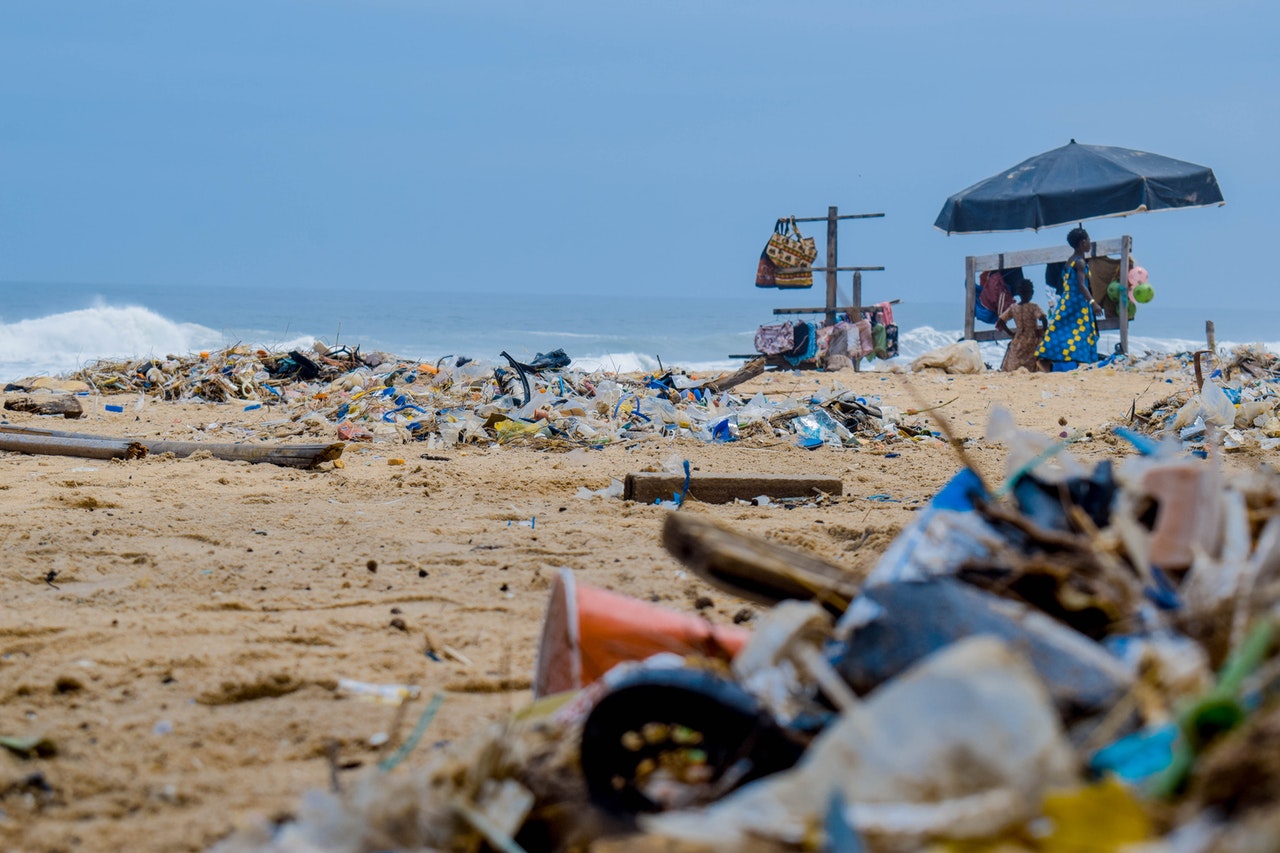
The second strand of the Afri-Plastics Challenge is seeking the creation of new or the development of early-stage products, technology and/or services to encourage the reduction or elimination of plastic usage across Sub-Saharan Africa. It is being delivered in partnership with the Government of Canada.

By the end of the Challenge successful community-centered products and services will have demonstrated a sustainable approach to reducing the reliance on plastic that also supports the empowerment of women and girls.

(Please note, applications to this part of the Challenge are now closed)
FIND OUT MORE ABOUT THE OVERALL CHALLENGE

This challenge prize is being delivered by Challenge Works in partnership with

Canadian government logo in English and French

The finalists

  • Chemolex’s Biopactic solution is a recyclable, reusable and 100% biodegradable next-generation material that completely replaces the use of single-use plastic polymers in food and product packaging as well as in manufacturing diapers.

    The biopactic material is bio-based material that is produced from invasive water hyacinth plants that grows aggressively in Lake Victoria in Kenya.

    By utilising the invasive water hyacinth plants to produce the sustainable Biopactic material, they are able to reduce the environmental, health and economic adverse impacts caused by the aggressive growth of the water hyacinth and also reduce the use of single-use plastic materials in diapers and also product/food packaging.

  • This solution is set to reduce the dependence on non-biodegradable plastic packaging by producing and popularizing biodegradable packaging made from plantain trunk fibers.

    This innovation consists in extracting cellulose from the fibers, to produce paper pulp and subsequently digestible packaging with a limited lifespan, with consideration to the environment and the soil.

  • Creative Youth Agency is providing an alternative to plastic polythene bags, in the form of mycelium containers and eco-friendly bags and baskets.

    The hyphae vessels made from mycelium, which is the root structure of a mushroom plant, will constitute containers of various shapes and sizes, moulded by women and girls, and will present as a reusable packaging alternative to the plastic bags.

    In addition, the bags and baskets crocheted from plastic and cloth waste will be used to carry the containers during shopping as opposed to bigger plastic bags.

  • Dercolbags Packaging Limited Company are developing a unique package as a service system which educates households, communities and restaurants in the city of Accra.

    They will encourage exchange of packaging containers to reduce and eventually eliminate the use of styrofoams.

    Their Smartpacks will be distributed to participating restaurants, and participating households will receive their foods in our Smartpacks, while couriers will pick up used and washed Smartpack which will be disinfected and cleaned for delivery to restaurants.

  • This solution is the creation of low-cost eco-carrier bags from fabric pieces, made by women dressmakers in the communities and sold to market women for packaging purchased items to their customers.
    This will reduce the use of plastic carrier bags and will create jobs for women and girls who will sow the reusable green carrier bags and distribute to market women at a fee.

    The wearing of african print fabric dresses in Ghana forms part of the culture, hence a carrier bag that matches the dresses of shoppers will become fashionable, socially accepted and sustainable.

  • EcoCoCo Homecare is spearheading the development of EcoCoco, a range of multi-purpose everyday home care products made from compostable natural coconut fibre.

    These will include scouring pads, scrubbing brushes and brooms with coconut fibre bristles. The coconut husk fibre is the outside of the coconut; considered waste from coconuts consumption and oil production.

    The brushes’ and brooms’ body and handles will be made from wood offcuts recycled from timber yards and commercial carpentry. These biodegradable, plastic-free alternatives will significantly reduce the amount of plastic waste produced by each household.

  • Ecoplus is a Congolese company that manufactures highly resistant biodegradable hydrophobic (waterproof and oil-proof) papers made from banana fibre. Its papers are made into paper bags and packaging to replace plastics and kraft paper in the local market for the first time.

    Our startup is special because it is developing a very innovative product that meets a specific market need and a real problem that affects the whole world. The use of hydrophobic bags or packaging makes it possible to considerably reduce the use of plastic and aluminium bags, which remain a permanent danger for our environment.

  • Egviolet Catherine Enterprises will be involved in the production of bags made of raffia palm and straws as an alternative to the traditional polyethylene bags used for shopping and packaging goods and groceries.

    Amigo Raffia bags are created from the segments of the leaves on the Raphia Africana, a tree native to Nigeria. The Raffia is purchased, washed, dried and the segments shredded into a fibre and tinted –all using climate friendly methods- It is then hand woven into the raffia sheets that are then hand sewn into a bag.

    Their activities include working out a community based and socially acceptable means of packaging household products using eco-friendly materials, in so doing train and offer formal employment to women and girls.

  • Germark Holdings Limited will be creating vending stations, operated by women, that refill liquid soaps. They will also develop a mobile app on which customers can request and pay for refill services to be delivered to their homes.

    The product will be either ‘refill or go’ or ‘refill at home’ depending on convenience preferred by the client. The solution will limit use of plastics as the vendors will only sell the product through refills and the client will have to own the reusable containers that can be used more than once.

  • Greenthing Kenya is locally producing bamboo toothbrushes to reduce the recurring need for using plastic toothbrushes that often end up in the environment.

    The toothbrushes will be produced by women in an environmentally sustainable way.

    This plant, powered by renewable energy to make eco friendly toothbrushes will be the first of such production line in Africa with a potential of replacing millions of plastic toothbrushes in Kenya alone. Greenthing Kenya has existing distribution channels through a web shop, social media and a physical kiosk in Nairobi.

  • Scoby Bioplastic, using biofabrication as a scalable technology, will provide long-term simplified and eco-friendly alternatives towards plastic free environments.

    As a social enterprise with modular production systems, they will provide collaborative and growth opportunities towards the empowerment of women and girls.

  • Luxurious Farms and Services Inc will be using a refill and reuse app to primarily link persons to places where they can Refill and reuse, avoiding single-use plastics as well as get delivery at home to reduce plastic footprint.

    Through the design and fabrication of a modular and scalable technique for converting agro-waste to bio-packaging, their double-edged approach seeks to combine direct elimination using bio-packaging and the use of a digital refill and reuse application.

    This app will make a way for the establishment of refill and reuse stations across Abuja metropolis. Schools and homes will also collaborate with designated centres of collection and aggregation such that points accumulated for re-use, refill or recycling can be used to purchase a wide range of household goods, books, stationeries online and offline.

  • Biotic is a sustainably sourced, biobased, biodegradable bioplastic derived from blending fibre composites of agricultural waste feedstock with a non-toxic, inert plasticiser.

    It looks, feels and functions like petroleum derived plastic currently used in the food and beverage industry thus has no consequences on the customer experience. Biotic is a direct drop-in replacement for plastic designed to fit into existing production infrastructure without requiring design modifications for particular use cases.

    Thus, it provides a sustainable approach to the elimination of plastic usage through direct substitution.

  • Naza Agape Foundation plans to produce affordable and biodegradable sanitary pads. Using an innovative and eco-friendly approach, the top and middle layers of their pads will be made of banana fibre, a very abundant plant product which is an ideal substitute for polypropylene used in conventional pads.

    The bottom layer which will be made with polyethylene (sterilizable and 100% recyclable) will be detached, cleaned and returned to for recycling after use alongside the bagasse-made biodegradable packaging for cash exchange.

  • Ndanda Fresh Station plans to create stations designed to make clean drinking water easily accessible to the community.

    To encourage the reduction of plastic water bottle use and provide a cheaper alternative, their aim is to make mobile water boxes that enable people to reuse similar bottles.

  • Plastic Punch are seeking to develop alternative packaging materials for everyday usage to reduce the reliance on plastic as well as developing products like flatware, styrofoam, plastic lining, packaging that are biodegradable using emergent environmentally friendly materials such as algae, coconut fibre, jatropha, and others.

    The project is starting with a feasibility study into what raw materials available locally would be most ideal for developing bio-sourced packaging in Ghana. The feasibility study will identify and work with partners who will support the project technically, working on cost comparisons, technology, raw material availability, and recyclability of bio-sourced packaging.

    The second phase of the project will focus on prototyping and in-depth market studies.

  • Pure Products (UG) LTD, through Sparkles Eco-Water ATMs, are a social water purification enterprise that avails innovative access to affordable safe drinking water via installation of eco-friendly water ATMs in underserved communities.

    Using a micro franchising model, involving women and girls, Sparkles Eco-water ATMs encourages refills, installed to the last mile consumer, connected to any available water source, on solar or normal grid and automatically purifies and dispenses in reusable / refillable bottles owned by the customer, with a coin or card swipe at a price cheaper than the cost of bottled water.

  • Re-Plastic is a connected IoT technology that identifies the fastest moving consumer goods products that are the safest and simplest to distribute via IoT connected vending machines that dispense into smart reusable packaging.

    This makes refilling product consumption the logical choice by providing maximised convenience with lower costs, lowering prices by 30–40% and offering enabled cashless payments to greatly decrease time spent paying for the product. This opens up new exciting convenient retail opportunities.

  • Regenize, through Zero-Waste Spaza (ZWS), can plug into any existing spaza shop and enables it to become a zero-waste shop where their customers can shop without creating plastic waste.

    The customers will need to bring their containers to purchase goods supplied by us and stored in secured food-safe containers. Besides reducing plastic waste, it will also enable customers to live a healthier lifestyle.

    Through ZWS, customers of the spaza’s will be able to purchase just enough of a specific item to make a wholesome meal, such as R5’s worth of pasta/rice/lentils, R2’s worth of spice to go with two tomatoes.

  • Rural Girls Empowerment locally manufactures reusable pads made from soft absorbent cotton fabrics as an alternative to sanitary pads made of plastic.

    Eco Period pads are fast absorbent with a waterproof layer to prevent leakage with snaps to hold firmly to pants making them comfortable to wear, easy to wash and dry. They contain no plastics or chemicals and so avoid allergies, reduce risks of cervical infections and irritations.

    One pack of Eco Period pads gives women an inexpensive and a convenient way to manage their monthly period in a safe, dignified and environmentally friendly manner for at least 3 years. Eco Period sanitary pads reduce the use of disposable sanitary pads that contain plastics and sometimes find their way in the ocean after disposal. Eco period donated to school girls in rural areas help young girls stay in school by avoiding stigma and avoid transactional sex.

  • She Eco Response has developed the Wash, Hang and Store Kit, designed to reduce the stigma around reusable menstrual pads.

    Their kit will consist of a washing board and a brush that will help women and girls rinse and wash the pads without twisting or tampering with the underlayer too much. The store zip will be made waterproof inside for the storage of pads when wet. Then pads will be attached back on the hanger cloth like puzzle pieces that form one big piece to hang outside in the sun without attracting much attention.

    This kit will encourage more women and girls to consider green mensuration across Sub-Saharan Africa.

  • The Ecobarter Company Ltd is an integrated zero waste lifestyle guide, planner and e-commerce platform that encourages consumers to reduce their wastes by providing access to eco-friendly alternatives to everyday products such as bamboo toothbrushes, bamboo dining products, bamboo household and personal care products.

    They also provide micro and small businesses with eco-friendly packaging solutions like recycled kraft paper bags to reduce dependency on plastics. Via their platform, a consumer is able to get sensitised to make a commitment to eliminate plastic wastes while also being able to track waste reduction and consumption patterns.

    They also incentivise eco-shopping by giving green points which users can redeem as a shopping voucher. Annually, users get graded based on their level of completed tasks/milestones and total green points earned.

  • Toto Safi’s solution is a reusable cloth diapers-as-as service so that parents do not have to choose between convenience and pollution.

    For many parents, reusable nappies are neither affordable nor convenient as they may lack adequate washing and drying facilities or are put off by upfront costs. Toto Safi’s app-based service facilitates the reduction of single-use disposable diapers, a major source of land and marine pollution.

    Through this app, parents will be able to receive a fresh bundle of clean and sterilised cloth diapers, at an affordable cost.

  • Uganda Industrial Research Institute manufactures biodegradable and bio-compostable paper packaging bags from the long wasted agricultural fibres of banana pseudo stem, sugarcane bagasse, all cereal crop straw (rice, maize, and wheat), cotton waste / rags, pineapple crowns among others as an alternative product to reduce the usage of the polythene bag.

  • ShoppersBag is a reusable, recyclable and biodegradable bag that allows users to earn rewards on every usage.

    ShoppingBag is distributed free to 100s of shops across our community. The bags are marked with QR Codes that allow the shops to scan and users to get rewarded with discounts, free gifts, coupon codes etc, on their every shopping experience with ShoppersBag.

    The idea is to create a universal type of bag that people will always want to use for their next shopping trip. ShoppersBagis designed to address the challenge of repetitive production and disposal of plastic bags across the community.

What’s next for the finalists?

In February 2022, the 25 semi-finalists took part in a Digital Academy where they were introduced to a capacity-building support package that includes expert mentoring in the following key areas: Innovation, Plastics, Market-Orientation and Narrative-Building.

This was followed by four months of further capacity building support with these mentors to help consolidate plans for developing solutions.

The judges

Oliver Nudds profile picture

Oliver Nudds

Managing Director, Ocean Plastics Technologies

Oliver has successfully established distribution channels and sales solutions for multiple international brands and manufacturers over the past 30 years..

Oliver Nudds

Matthew Haden profile picture

Matthew Haden

Founder and Managing Director, The Recycler Tanzania

Matthew is an expert in solid waste management and recycling with seven years experience in the private sector.

Matthew Haden LinkedIn

Radhia Mtonga profile picture

Radhia Mtonga

Social Enterprise Learning and Development Co-Ordinator – BongoHive

She is a Zambian social entrepreneur whose driving passions are social entrepreneurship, environmental sustainability and the circular economy.

Radhia Mtonga LinkedIn

Dr Adenike Akinsemolu profile picture

Dr Adenike Akinsemolu

Founder & Director – The Green Institute

Founder director of the Green Institute in Nigeria, Dr Akinsemolu is a passionate environmental educator and author on sustainability.

Dr Adenike Akinsemolu LinkedIn

Ida Nganga profile picture

Ida Nganga

Regional Head, Anglophone Countries for UNESCO Emerging Technologies

Ida leads the award-winning Regional Consortium for Development, whose experts use technology and engineering as an enabler for achieving Sustainable Development Goals.

Ida Nganga LinkedIn