
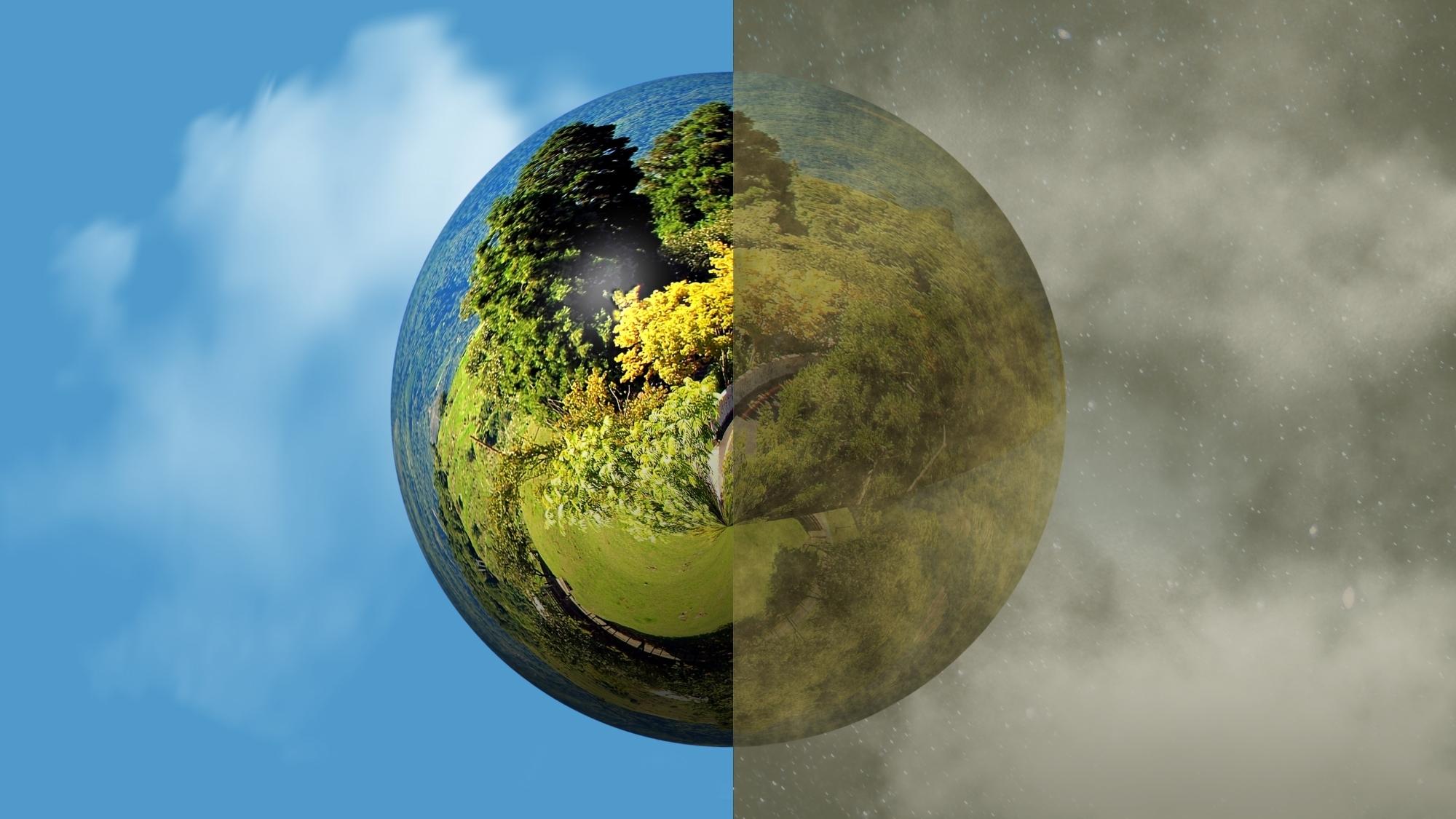
Climate change is a global health emergency
For those of us in more temperate countries, enduring soaring temperatures in summer heatwaves might prove sticky and uncomfortable. But all around the world the health of vulnerable populations is being put at risk because of the effects of climate change. Despite advances in global health made by science and modern medicine, public health outcomes are being worsened by an increase in diseases and challenges caused by a warming world.
But challenges are rarely totally insurmountable. Solving the climate emergency, and adapting to its effects, both need scientific and technological innovation. We saw, with the Covid-19 pandemic, how strategic deployment of state and private resources, accelerated research, and rapid deployment of vaccines, PPE and treatments saved lives.
Across the global innovation challenge prizes I have worked to design, I've seen how the combination of technical innovation and creative flair can generate new and unexpected solutions that change people's lives.
The health impacts of climate change are serious, but we're not helpless.
The 2022 Pakistan floods
Thirty-three million people have been affected by the recent floods in Pakistan, described as a ‘Monsoon on steroids’ by the UN Secretary General. The devastating rainfall has been linked to an ongoing heatwave which melted glaciers and caused downpours to fall on a scale never seen before. It cannot be doubted that climate change is the cause.
Not only have the rains tragically caused over 1000 people to drown and devastated thousands of homes, they have also provoked a major health crisis. As floodwater deluges homes, it becomes the perfect breeding ground for a whole host of waterborne infectious diseases - from dysentery to cholera.
Wading through water contaminated with sewage causes painful skin infections and fungal disease. Mosquitos thrive in standing floodwaters, causing an increase in malaria and dengue fever which can be hard to treat at a time when access to healthcare is disrupted. The picture is grim, but the list goes on.
Crops have been destroyed and the roads and infrastructure for transporting food have been damaged, leading to food insecurity and ultimately malnutrition, affecting children and the elderly the most.
Physical health is not the only symptom of climate change, there's also a correlation with a decline in mental health. While we in the West may suffer from climate anxiety, weather events in developing countries have far harsher consequences, causing increased levels of stress and an increase in suicide rates.
Although Pakistan is responsible for just 0.5% of global greenhouse gas emissions, the effects of melting glaciers are felt hardest by their rural populations who have often never owned a car or had the luxury of flicking on the aircon.
In the aftermath of the floods, these people will go hungry, and many don’t have access to the simple medicine they need to treat infections.
Innovation creates hope for the future
It would be easy to be daunted by the twin challenges of climate change and public health.
On a daily basis I see the ingenuity and creativity of the people bringing forward diverse solutions to great issues through the challenge prizes I am lucky to work on.
Increasingly climate is impacting on medicine.
It keeps me hopeful that if we fast-track innovative ideas, we can mitigate, or even eliminate, some of these devastating climate issues and their health consequences, whether the ideas are simple or complex, low or high tech.
It is clear that the effects of climate change are no longer a far-off dystopian vision, but a frightening reality endangering the lives and livelihoods of those affected around the world.
An unfair climate change burden
But for the thousands of displaced people in Pakistan currently suffering from waterborne and parasitic diseases, we have no time to lose in ensuring that we innovate in a way that means we get the best ideas funded, tested and rolled out at scale as soon as humanly possible.
Climate change is impacting the homes, lives and health of vulnerable people who often barely contribute to CO2 emissions. The tragic floods in Pakistan only makes the search for solutions more urgent than ever.