The Climate Smart Cities Challenge was a global open innovation competition to accelerate the transition to climate-neutral, thriving urban centers.
The competition asked innovators – technologists, SMEs, start-ups, developers, finance experts and more – to submit their best ideas and solutions to one of the unique challenges identified by the four partner cities – Bogota, Colombia; Bristol, United Kingdom; Curitiba, Brazil and Makindye Ssabagabo, Uganda.
The challenge was delivered by Challenge Works in partnership with Teknikföretagen, Viable Cities, UN-Habitat, Smart City Sweden, Vinnova, Swedish Energy Agency and Expo 2020 Sweden.
Partners



Learn more about the individual city challenges
The City of Makindye Ssabagabo, Uganda
The Makindye Ssabagabo Challenge asked the question: How can we develop scalable, affordable green technologies and models to accommodate the growing population sustainably?
About Makindye Ssabagabo
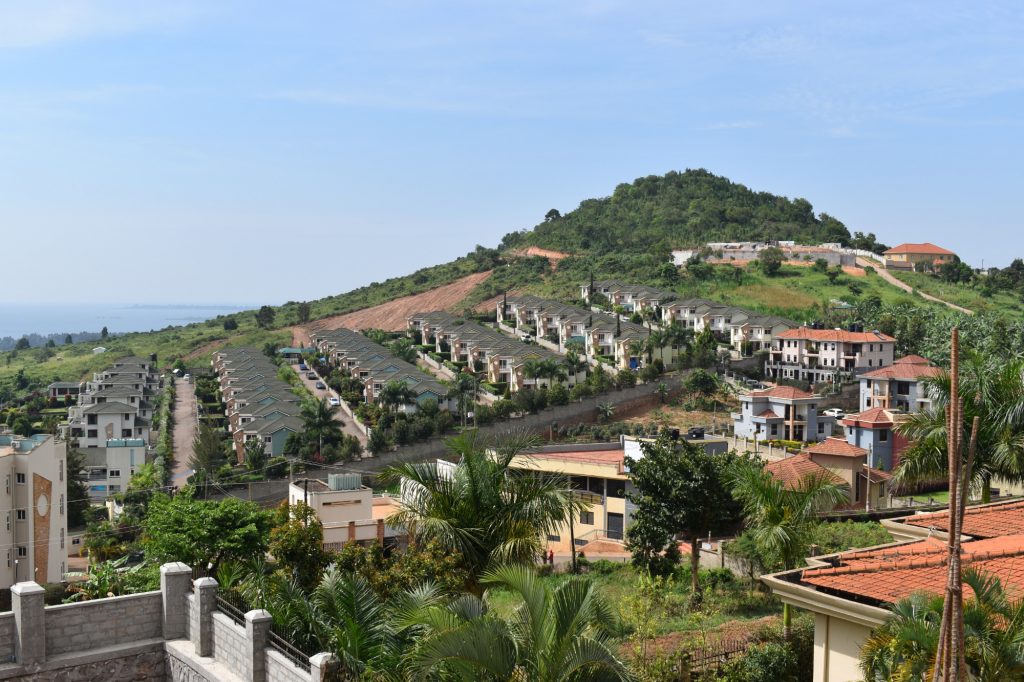
Makindye Ssabagabo is one of the fastest growing areas in the Greater Kampala Metropolitan Area in Uganda with a rapid population growth rate of 10% and the highest population density in the country.
The municipality borders the capital city Kampala and has a combination of urbanized, affluent, less affluent and informal settlement areas. The challenges of growth, development and servicing of Kampala have triggered a sprawl of growth centres in the municipality.
Following a series of consultations involving different stakeholders, the city is ready to undertake this challenge. The successful implementation of this project will greatly improve the sustainability, aesthetics and liveability in the city while building green jobs for residents.
The City of Bogotá, Colombia
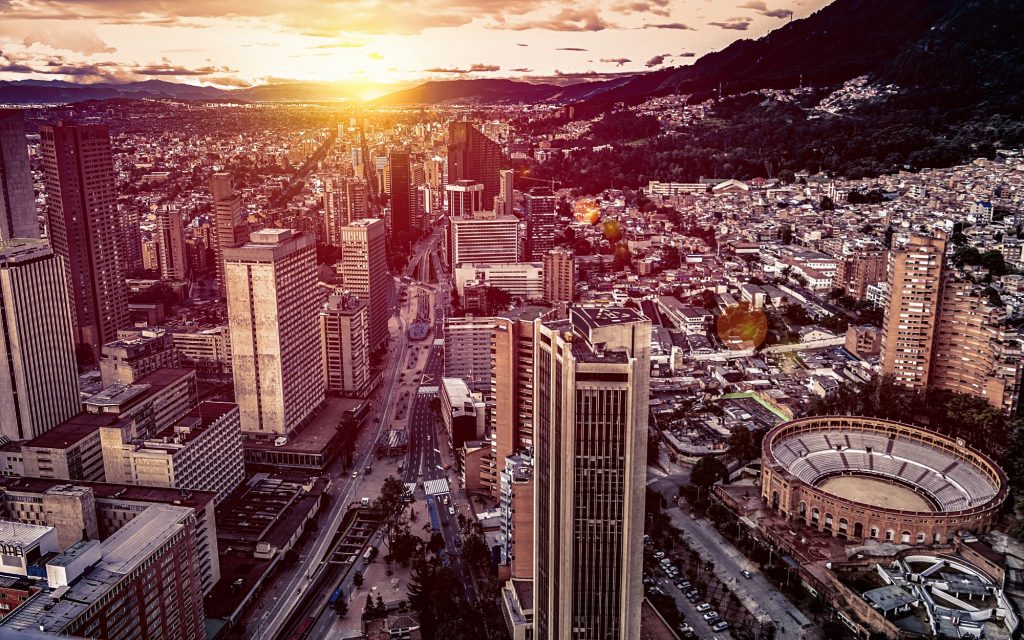
The Bogotá Challenge asked the question: How can we increase the efficiency of these operations to reduce congestion and emissions and improve productivity?
About Bogotá
Bogotá, the capital city of Colombia, South America, is located in the geographic center of the country.
Bogotá has nearly 8 million inhabitants, representing 22% of the country’s total population, and a population density of 18,881 residents per km.
With 28% of the companies in the country located in the capital, Bogotá faces significant traffic congestion due to the inefficient use of transportation alternatives and resources, as well as the lack of an intelligent traffic management system, making innovation in this area crucial.
The City of Bristol, United Kingdom
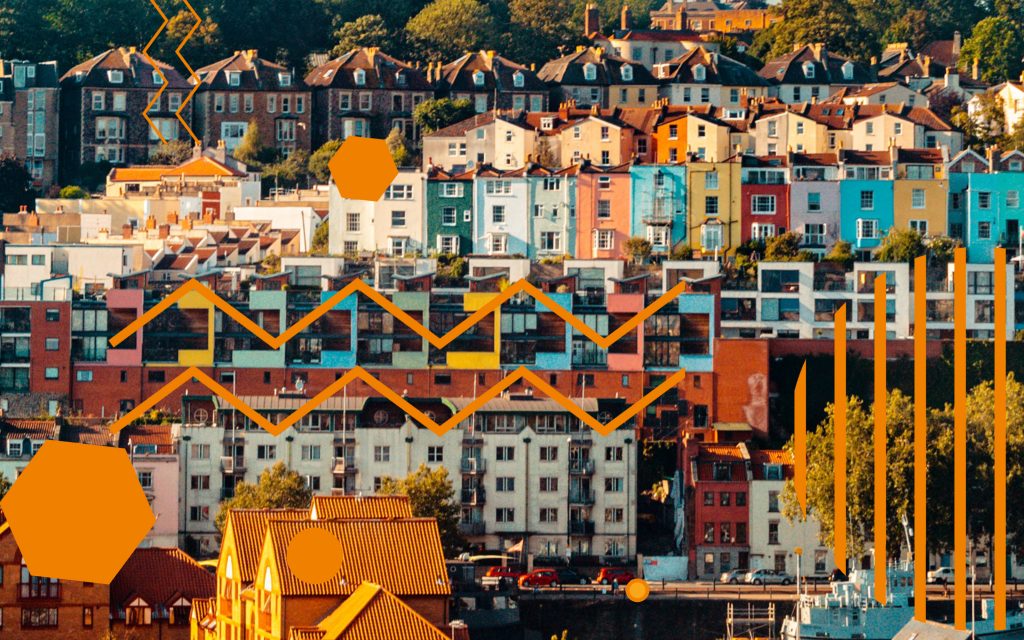
The Bristol Challenge asked the question: How can we develop and scale new ways of delivering affordable and carbon-neutral housing?
About Bristol
Bristol is the largest city in the Southwest of England, with a population of 449,300.
It is one of the 10 Core Cities in the UK who contribute more than a quarter of the UK economy and collectively house 20 million people.
As a Core City, Bristol is well placed to affect change on the way we interact with the climate emergency, and to catalyse action regionally, nationally and internationally.
Bristol is also home to The One City Approach and Bristol City Office. The City Office convenes an active network that brings together a huge range of public, private, voluntary and third sector partners which share an aim to make Bristol a fair, healthy, and sustainable city.
The City of Curitiba, Brazil
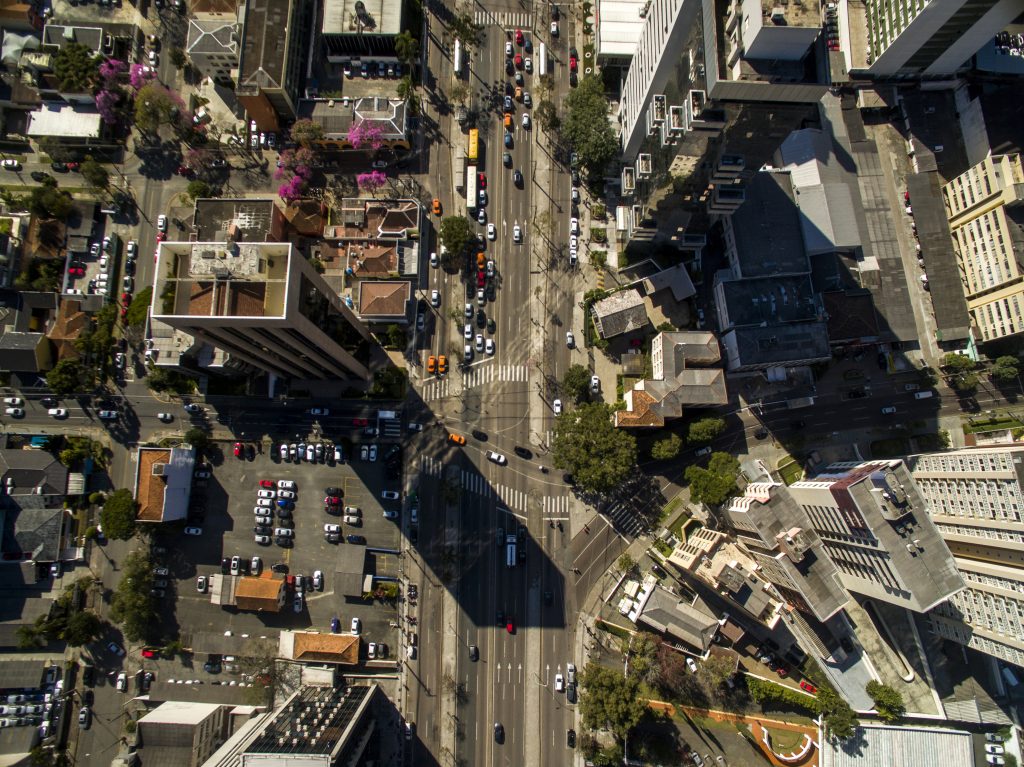
The Curitiba Challenge asked the question: How can we create zero carbon neighborhoods that integrate multiple urban functions, and promote economic opportunity and green job growth for local residents?
About Curitiba
Curitiba is the capital city of Paraná State, located in south Brazil.
With a population estimated at 1.9 million inhabitants, the city is often known and awarded due to its urban planning system, focused on the Transit Oriented Development model, and due to its environmental awareness, being one of the greenest capitals and one of the cities that recycle the most in Brazil.
Curitiba has been acknowledged and awarded recently also by its initiatives towards becoming a smart city.